
Summary
Paying for memory care without selling house is possible through multiple financial strategies that help families preserve this important asset while accessing quality care.
- Home equity tools like HELOCs, reverse mortgages for those 62+, and bridge loans provide access to funds while maintaining property ownership
- Veterans and surviving spouses may qualify for VA Aid and Attendance benefits, and Medicaid waiver programs in some states can help cover services while preserving assets
- Renting the family home generates monthly income to offset care costs while the property continues to appreciate over time
- Long-term care insurance policies and annuities can provide significant financial assistance and predictable income streams for memory care expenses
- Combining multiple financing sources—including savings, insurance benefits, government programs, and home equity—creates a stronger financial foundation than relying on a single solution
When a loved one needs memory care, families often immediately worry that they will have to sell the family home to cover the cost.
Fortunately, that is not always the case. Several financial strategies can help cover expenses while preserving an important asset.
Understanding your options for paying for memory care without selling house can reduce stress and help your family make informed decisions during a major life transition.
Understanding Memory Care Costs and Planning Ahead
Memory care communities provide specialized services for older adults living with dementia, including personalized routines, safety-focused environments, and around-the-clock oversight. Programs such as Summit Place of South Park's GLOW℠ Memory Care offer structured support tailored to the unique needs of individuals experiencing memory loss.
It generally costs more than assisted living because of the necessary specialized training and additional attention for residents living with memory-related conditions. Costs vary by location and individual needs, but understanding the financial picture early can make planning much easier.
Families can benefit from speaking with a financial advisor who understands senior living expenses.
Professional guidance from elder law attorneys and financial planners can help families maximize available resources, avoid common pitfalls, and develop a strategy that balances financial goals with quality care.
Taking time to review all available options can uncover solutions that make quality memory care more accessible while helping families preserve important assets and maintain financial stability.
Using Home Equity Without Selling
For many families, home equity becomes one of the most valuable tools when exploring financing senior care options. Several approaches allow access to equity while maintaining ownership of the property.
A home equity line of credit (HELOC) enables qualified homeowners to borrow against available equity as needed. This option offers flexibility and can help cover monthly expenses while preserving long-term ownership.
A reverse mortgage for care costs may also be worth exploring for homeowners age 62 and older. This type of loan provides access to home equity without requiring monthly loan payments. Repayment typically occurs when the homeowner permanently leaves the property.
Bridge loans for senior living can serve as temporary financing when families need immediate funds while waiting for longer-term resources to become available. These loans can help avoid rushed financial decisions during a challenging time.
Veterans Benefits and Government Assistance Programs
Many families overlook veterans' benefits memory care programs simply because they are unfamiliar with what is available. Veterans and surviving spouses who qualify for VA Aid and Attendance benefits may receive monthly financial assistance that can help offset care expenses.
Medicaid programs may also provide assistance depending on state eligibility requirements. Some states offer waiver programs that help cover services for individuals living with dementia while allowing families to preserve certain assets.
Because rules vary, consulting an elder law attorney can help families understand eligibility requirements and avoid costly mistakes during the planning process.
Renting the Family Home
Another option for keeping family home while in care is converting the property into a source of income. Renting the home can create monthly cash flow that helps cover Memory Care expenses while maintaining ownership.
Professional property management companies can handle tenant screening, maintenance coordination, and rent collection, making this option practical even when family members live far away.
For some households, rental income may cover a significant portion of monthly care costs while allowing the property to continue appreciating over time. This strategy offers flexibility and preserves options for the future.
Long-Term Care Insurance and Annuities
Long-term care insurance can be an important resource when funding memory care expenses. Families should carefully review policy details, including benefit amounts, waiting periods, and covered services.
Even policies purchased years ago may provide valuable assistance. Reviewing coverage before making financial decisions can uncover benefits that significantly reduce out-of-pocket expenses.
Annuities may also provide predictable income for care costs. By converting a lump sum into regular payments, families can create a reliable funding source while preserving other assets. Some annuities include inflation protection, helping payments keep pace with rising costs.
Building a Long-Term Financial Strategy
The most successful plans often combine several financing senior care options rather than relying on a single solution. Income sources, insurance benefits, savings, home equity, and government programs can work together to create a stable financial foundation.
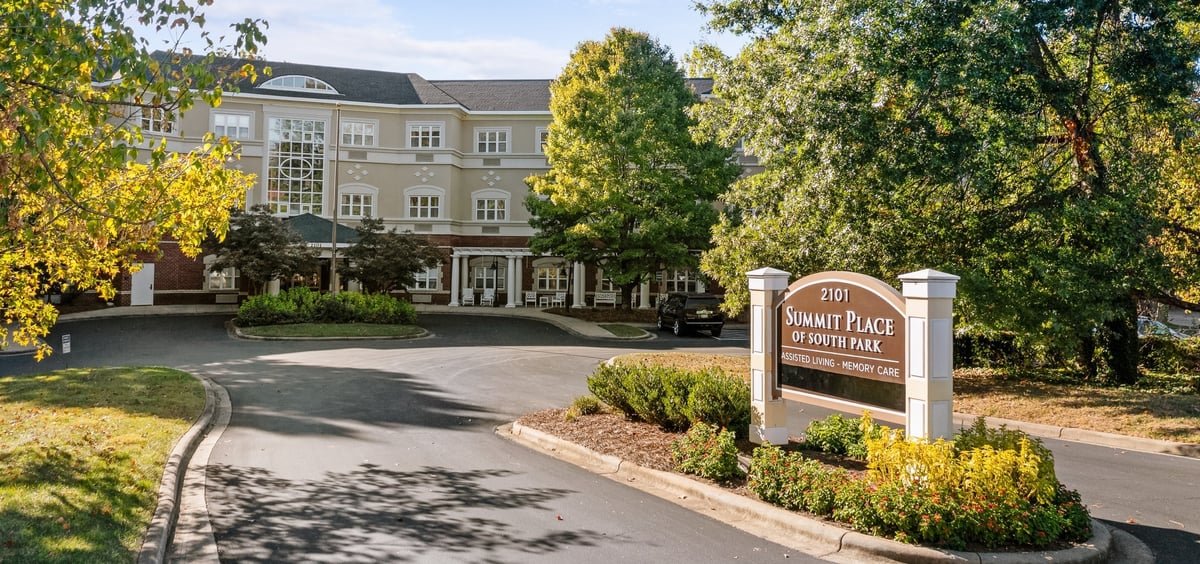
Families researching memory care in Charlotte may find that planning ahead provides more flexibility and greater peace of mind. Summit Place of South Park can help families explore care options, understand available lifestyle offerings, and learn more about the support and services available for residents living with memory-related conditions.
Learn more about GLOW℠ Memory Care and schedule a tour at Summit Place of South Park today.