.jpg?width=960&length=960&name=brain%20rehabilitation%20exercises%20(1).jpg)
Brain rehabilitation exercises can support mental clarity, improve memory, and help seniors reconnect with past skills or interests. These exercises may play a role in cognitive healing and post-stroke recovery when used consistently.
The American Brain Foundation notes that solving puzzles and learning new things can help slow brain aging. These activities help the brain stay sharp by building new pathways and supporting attention and memory.
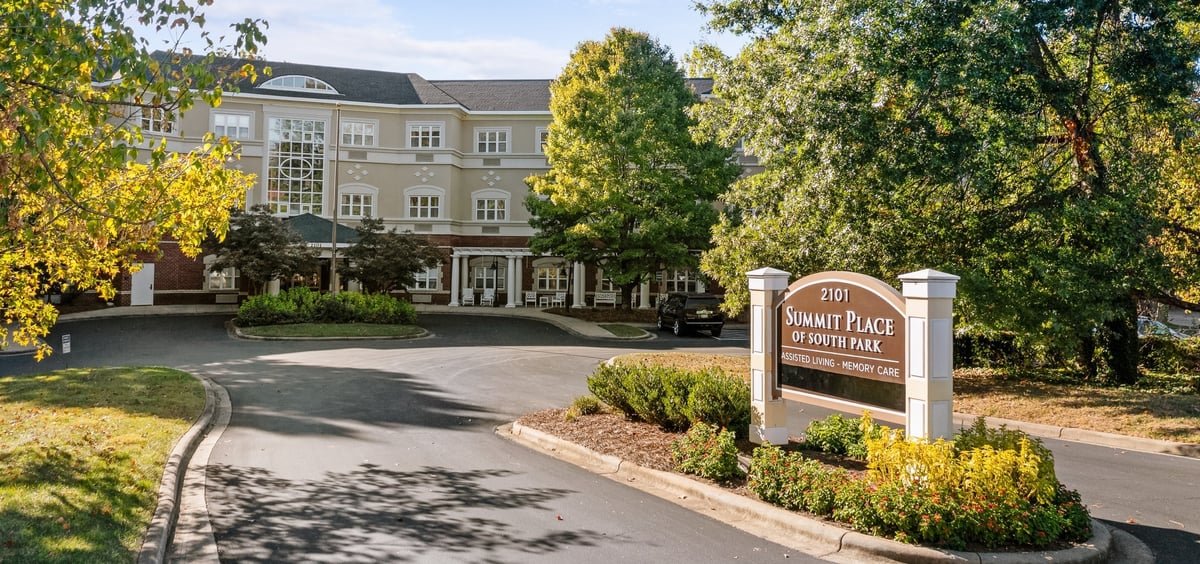
Charlotte, North Carolina, is a vibrant city with a strong focus on aging brain support. The area offers enriching programs and a lifestyle that fits well with gentle brain health routines. Summit Place of South Park blends this local spirit with hands-on support that encourages mental engagement through daily life.
Let us explore how simple tools and habits can promote neuro wellness and reconnection after cognitive changes.
How Brain Rehabilitation Exercises Support Cognitive Healing
The brain has the ability to change and heal through something called neuroplasticity. This is the brain's natural way of forming new connections after injury or memory loss.
Even small tasks done with focus can help the brain rebuild important mental skills. This might include remembering words, organizing thoughts, or recognizing faces. Brain rehabilitation exercises work by gently asking the brain to do these tasks again in a supportive, low-pressure way.
Over time, the brain may form new pathways to complete these actions with greater ease. These methods are especially helpful for seniors who are recovering from a stroke or managing age-related changes.
What Makes an Exercise Good for the Aging Brain?
Exercises that promote attention, memory, or movement are often the most helpful. A good routine also supports focus without causing stress or confusion.
Gentle repetition helps the brain relearn tasks without feeling overwhelmed. For example, reading aloud each day can improve language skills and attention. Simple games that include matching or word recall may also strengthen short-term memory.
At Summit Place of South Park, a calm and structured environment supports this type of daily mental activity. Residents are encouraged to take part in activities that spark joy and promote mental resilience in seniors.
Daily Routines That Can Help Rebuild Brain Connections
Repetition is one of the strongest tools for building memory. Having a daily schedule that includes brain-friendly activities makes a big difference.
Many seniors benefit from set routines that include both movement and quiet mental work. Gentle stretching, slow walks, or guided breathing can clear the mind. Card games or visual puzzles add a layer of challenge that supports recall and decision-making.
Jigsaw puzzles in particular use several parts of the brain and may help protect memory over time. These games combine logic, patience, and visual awareness in a soothing format.
Social Activities That Encourage Neuro Wellness
Being around others often encourages conversation, laughter, and shared thinking. All of these things help support the aging brain in ways that are natural and enjoyable.
Playing card games has been shown to help with mental flexibility and reasoning. It also gives seniors a chance to connect with friends or neighbors while practicing attention and memory skills.
Group learning classes or dance activities can build brain health. These events spark curiosity and offer a sense of purpose, especially when they become part of a regular weekly plan.
Gentle Movement to Support Brain and Body
Physical movement can support brain rehabilitation by increasing blood flow and helping improve focus. Gentle forms of exercise can be just as helpful as intense workouts.
The CDC says that dance movements can help improve memory and thinking speed. Even simple step patterns can challenge the brain to stay alert and in control.
Slow stretching, balance practice, or seated movement routines are safe and effective for most seniors. These activities can be guided by staff or done in small groups, making them fun and approachable.
Using Local Resources for Aging Brain Support in Charlotte
Charlotte offers a variety of senior wellness programs that promote cognitive engagement. Local libraries host group readings. Art centers offer painting classes that support focus and creative memory.
Exploring a familiar area through new activities can stimulate fresh thinking and personal joy. Summit Place of South Park gives residents easy access to programs through planned events.
Residents also enjoy community amenities like the library, wellness center, and entertainment spaces, which are designed to encourage connection. These shared areas offer daily chances to practice routines and explore new skills.
Frequently Asked Questions
Can Brain Exercises Help With Stroke Recovery?
Yes. Gentle mental tasks and physical movement can support post-stroke routines. Brain rehabilitation exercises give the brain a chance to relearn lost skills through repeated practice. Many seniors see improvement in focus, coordination, and memory over time.
What Are the Signs That Brain Exercises Are Working?
Improved attention span, stronger recall, and better daily planning are signs of progress. Seniors may also feel more confident during conversations or social events. These changes may take weeks or months, but are worth tracking.
How Often Should Seniors Do Brain Exercises?
Short, daily sessions are often best. Most experts recommend 15 to 30 minutes a day, depending on the person's focus and energy. Regularity is more important than length.
What Are Good Tools for Brain Training?
Memory games, story recall, and picture matching are helpful tools. Some seniors enjoy digital apps, while others prefer physical cards or puzzles. Tools should match the person's interests and current skill level.
Are There Risks to Doing Too Many Brain Exercises?
If exercises are too hard or too frequent, they can cause stress or fatigue. Seniors should take breaks and stop if they feel overwhelmed. Caregivers can help by offering support and choosing calming, simple tasks.
How Summit Place of South Park Encourages Mental Resilience
Brain rehabilitation exercises are most helpful when done in a calm, supportive setting. Summit Place of South Park in Charlotte encourages residents to practice these skills every day.
Our community supports memory care and assisted living residents with both structured and flexible mental wellness programs. Residents enjoy access to a private library and creative spaces that make learning fun. Our signature programs include live music, yoga, and enrichment activities that support both body and mind.
We invite you to explore the lifestyle and learning opportunities that make our Charlotte community stand out. Contact us to learn more or schedule a tour.